Expert Pickering General Contractor for Home Additions and Upgrades
Reliable General Contractor: Transforming Dreams Into Actuality
A dependable general contractor holds a key role in turning architectural concepts into physical structures. By managing timelines and budgets, they guarantee projects advance smoothly. Their expertise fosters a collaborative environment, vital for reducing risks. However, not all contractors are identical. Understanding how to identify the right one is essential for any successful project. What necessary qualities should one consider, and how can they affect the overall outcome?
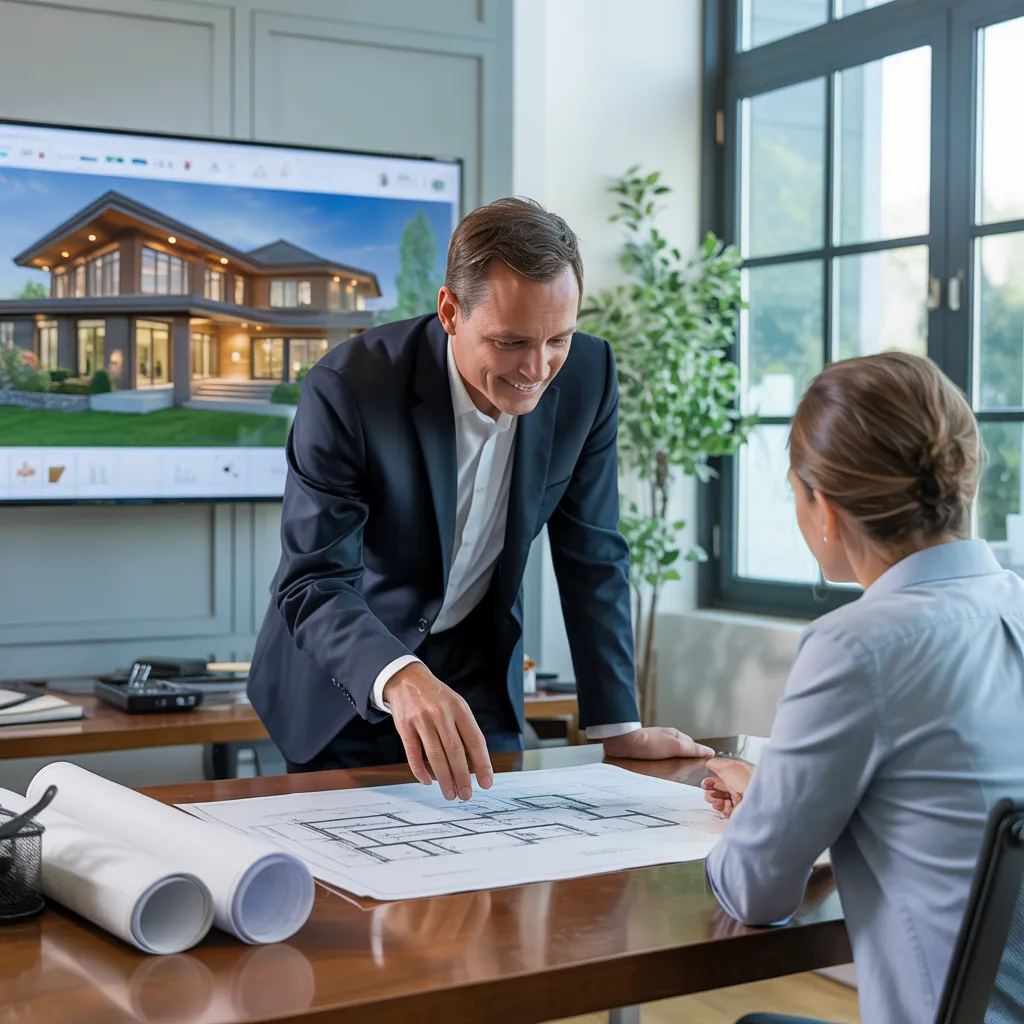
How Can You Spot a Reliable General Contractor?
What strategy can someone apply to assess a general contractor's dependability? Evaluating a contractor's standing is essential. An effective approach involves requesting referrals from loved ones and internet-based reviews, which supply insights regarding historical results and customer happiness. Furthermore, verifying credentials and protective coverage guarantees that the contractor complies with professional norms and safeguards from possible risks. Reviewing earlier assignments, whether through portfolio samples or site visits, helps you to measure the quality of their workmanship.
Furthermore, collecting multiple proposals supports evaluation of pricing and project schedules, bringing to light any inconsistencies that may indicate unreliability. Excellent correspondence is another crucial component; a trustworthy contractor should be attentive and clear in their interactions. Finally, verifying testimonials can provide valuable information about a service provider's work ethic and dependability. By following these steps, one can reach informed determinations when selecting a construction contractor for building undertakings.
Essential Characteristics of a Great General Contractor
An outstanding general contractor embodies core attributes that confirm project success. Robust interpersonal expertise facilitate straightforward communication with end-users, trade specialists, and suppliers, while proven project management experience secures timely and budget-conscious delivery. These traits are indispensable in transforming a vision into reality.
Strong Communication Skills
While competent project management is crucial for a general contractor, powerful communication skills often serve as the base for fruitful partnerships. These abilities allow a contractor to articulate project goals clearly, guaranteeing that all team members and stakeholders are in sync. Clear communication builds trust, enabling for transparent discussions about timelines, budgets, and changes. A good general contractor carefully hears out clients, subcontractors, and suppliers, handling issues promptly and adjusting to feedback. This two-way dialogue not only improves issue resolution but also builds a positive working environment. Additionally, clear communication prevents misunderstandings, which can lead to costly delays or errors. Ultimately, powerful communication skills empower a general contractor to manage obstacles effectively, guaranteeing that projects progress smoothly from inception to completion.
Verified Project Management Competence
Exhibiting verified project management experience is important for any general contractor working toward success. Effective project management requires detailed planning, resource allocation, and timeline adherence. A seasoned contractor shows the ability to coordinate various teams, ensuring architects, engineers, and subcontractors collaborate effectively. Moreover, they expertly navigate challenges, utilizing problem-solving skills to keep projects on track and within budget. Their experience enables them to foresee potential issues, minimizing risks before they grow. In addition, strong project management fosters transparency, allowing clients to stay informed during the construction process. By prioritizing quality control and complying with safety standards, a general contractor with verified experience delivers outstanding results and builds long-lasting relationships based on trust and reliability.
The Advantages of Working with a Dependable General Contractor
Contracting with a reliable construction expert yields significant advantages in any building project. Their proficiency and background guarantee that tasks are accomplished to high standards, while also enhancing time and cost efficiency. This combination allows homeowners and businesses to focus on their vision without the pressure of project management.
Competence And Experience
Bringing on a reliable general contractor provides a vast amount of expertise and practical experience to any construction assignment. Their comprehensive familiarity with building codes, regulations, and industry standards ensures that every aspect of the construction workflow is compliant and well-managed. Expert contractors have sharpened their skills through varied projects, allowing them to predict potential problems and formulate effective solutions. Their strong partnerships with subcontractors and suppliers moreover raise the quality of both work and materials. Furthermore, a skilled general contractor shows strong project management skills, coordinating timelines, budgets, and resources smoothly. This expertise not only reduces risks but also fosters a collaborative atmosphere, transforming a client’s vision into a physical reality while preserving high standards throughout the entire construction journey.
Time and Price Efficiency
A dependable general contractor greatly enhances both time and cost efficiency in construction projects. By managing different subcontractors and suppliers, they streamline workflows, cut down delays, and ensure tasks are done promptly. Because of strong industry relationships, they often secure better pricing on materials and labor, cutting down total project costs. Furthermore, an competent contractor anticipates potential issues early, providing timely fixes that prevent costly hold-ups. With their project management expertise, they ensure effective resource allocation so that labor and materials are utilized efficiently. Ultimately, hiring a trustworthy general contractor not only expedites project timelines but also safeguards the budget, providing clients with peace of mind and confidence in their investment.
Effective project management often copyrights on the expertise of a general contractor. By serving as the central hub in the construction project, a general contractor coordinates various aspects of the project, ensuring seamless interaction among subcontractors, suppliers, and clients. This cohesive approach decreases delays and reduces the likelihood of miscommunication, which can lead to costly errors.
A main contractor streamlines the workflow by setting up clear deadlines and plans, permitting all participants to stay synchronized with project milestones. They also possess the understanding to anticipate challenges, supporting proactive problem-solving. Moreover, they manage approvals and reviews, easing the burden on patrons and confirming compliance with local requirements.
Ultimately, the involvement of a skilled general contractor converts intricate undertakings into controllable responsibilities, enabling homeowners and developers to focus on their vision while experiencing peace of mind throughout the construction process. This partnership promotes a more streamlined and successful project outcome.
Top 5 Mistakes to Steer Clear Of When Selecting a Contractor
How can homeowners make certain they opt for the right contractor for their project? Avoiding common pitfalls is crucial. First, homeowners should steer clear of choosing a contractor solely based on the lowest bid. Quality often comes at a price, and a low estimate may signal inadequate experience or hidden costs. Second, neglecting to check references can lead to selecting someone questionable or unreliable. Third, neglecting to confirm licenses and insurance can expose homeowners to legal and financial liabilities. Fourth, not discussing project timelines in detail may result in unexpected delays and frustrations. Ultimately, homeowners often overlook the importance of clear exchange. A contractor who doesn't listen to concerns or provide updates can create misunderstandings. By steering clear of these mistakes, homeowners can enhance their chances of selecting a contractor who will effectively bring their vision to life.
Essential Points to Raise Before Signing a Contract?
What fundamental questions should property buyers contemplate before signing a document with a tradesperson? Before anything else, they should look into the contractor's licensing and coverage status. Solid credentials protect homeowners from potential claims. Following that, seeking references and looking over past projects can render insight into the contractor's reliability and quality of work. Homeowners should also touch on timelines—understanding the projected start and completion dates is indispensable for planning.
Additionally, clarifying payment arrangements is essential; homeowners must be aware of the required deposit and the payment plan for subsequent payments. Furthermore, homeowners should inquire about what will happen if unforeseen challenges arise during the job, covering order modifications and how they will be addressed. Finally, understanding find out more warranty details on both labor and products can provide confidence. By resolving these questions, homeowners can make informed decisions and establish a firm base for their endeavor.
Creating a Durable Partnership With Your General Contractor
Creating a strong rapport with a general contractor can greatly enhance the overall experience of a home construction or renovation project. Strong dialogue is the bedrock of this connection, fostering trust and transparency. Homeowners should prioritize open dialogue, addressing expectations, deadlines, and budget constraints early in the undertaking.
Consistent meetings and reports can help handle issues in a timely manner, ensuring that both parties stay on the same page throughout the project. Additionally, displaying appreciation for the contractor's expertise can create mutual respect and encourage a collaborative atmosphere.
Flexibility is also vital; understanding that obstacles may emerge can enable problem-solving and adjustment. A good relationship can result in better work, as contractors are more inclined to invest extra time when they feel valued. In the end, a enduring relationship with a general contractor not only contributes to a thriving venture but can also create opportunities for upcoming projects.
Often Asked Questions Section
What Approach Do General Contractors Use for Unforeseen Project Changes?
General contractors handle unforeseen modifications by assessing circumstances, informing relevant parties, modifying schedules and financial allocations, and implementing solutions. Flexibility and problem-solving skills are essential in ensuring projects stay on track despite unforeseen challenges.
What Styles of Projects Do Construction Companies Normally Administer?
General contractors typically oversee a variety of undertakings, such as home remodeling, business building projects, infrastructure expansion, and custom setups. Their skills encompasses organization, budgeting, and time management, guaranteeing successful completion throughout diverse construction types and complexities.
How Do Payment Plans Work With a General Contractor?
Payment arrangements with a general contractor typically consist of upfront deposits, followed by staged payments associated with project milestones. Final payments happen upon project completion, making sure both parties stay aligned on financial commitments throughout the construction process.
Can a main contractor Lend assistance With documentation and standards?
A general contractor can indeed help with permits and regulations. They generally navigate regional construction standards, file required paperwork, and guarantee adherence to regulations, making things easier for property owners and helping to avoid costly regulatory problems.
What happens if the Project Exceeds the Initial Budget?
If a contract exceeds the initial budget, the service provider regularly notifies the factors for the growth. They may propose adjustments, seek stakeholder endorsement, and consider budget-conscious alternatives to keep the work item on track.